Is Vancouver A Foodie Town?
Is Vancouver a foodie town? A look at the Michelin stars, Asian food depth, seafood culture and market scene that shape the answer, with guided tasting tours for foodie-curious visitors.
Yes, and the evidence is measurable rather than atmospheric. Vancouver earned 11 starred restaurants in the MICHELIN Guide's 2026 selection, including its first two-star establishment, and the city's food identity runs through a working fishing fleet, one of Canada's largest Asian food scenes, and a public market that anchors daily shopping for locals. Foodie-curious visitors can taste the argument on foot in a single afternoon. To plot that tasting walk, the neighbourhood-by-neighbourhood guide to Vancouver's best restaurants pairs starred dining rooms with market stalls and adds tour ideas for nights when a single stop won't cut it.
The question gets asked often enough that it deserves a straight answer built on facts rather than boosterism. A foodie town, by most reasonable definitions, needs three things: critical recognition that holds up outside the city, food traditions that locals actually live inside rather than perform for visitors, and access, meaning ingredients and cooking that ordinary people can reach without a reservation three weeks out. Vancouver clears all three bars, though not evenly, and knowing where it is strongest helps a visitor decide where to spend an appetite.
Consider the shape of the case. The 2026 MICHELIN Guide Vancouver selection was revealed on October 6, 2026, spotlighting 11 starred restaurants, with AnnaLena in Kitsilano promoted from one star to two, the first Vancouver restaurant to hold that rank, and Kavita in Mount Pleasant newly awarded a Bib Gourmand. That is critical recognition from an outside institution. Below the starred tier sits a dining culture that spans a National Historic Site Chinatown, a public market on Granville Island, and a fleet that sells spot prawns directly off boats at Fisherman's Wharf during the season.
For a visitor who wants to test the claim personally rather than read about it, the fastest route is a guided tasting walk. The Historic Gastown, 3 Hours tour, rated 4.8 across 2,207 reviews and priced from $121.41 per person with food and drinks included, moves through the city's oldest commercial district with a guide who explains what the neighbourhood's food scene has become.
The rest of this article walks through the evidence section by section: the Michelin record, the market and restaurant density, the seafood culture, the depth of Asian cooking, and what all of it costs. Each section stands alone if you land here for one specific question.
What The Michelin Guide Says About Vancouver
The 2026 MICHELIN Guide Vancouver, revealed on October 6, 2026, lists 11 starred restaurants and crowned the city's first two-star establishment, AnnaLena in Kitsilano. Kavita in Mount Pleasant was newly named a Bib Gourmand. The guide's expansion beyond fine dining into neighbourhood spots signals a mature scene, not a one-restaurant wonder.
The city's selection has grown and deepened since the guide first arrived. The most consequential line in the 2026 announcement was AnnaLena's promotion to two stars, a first for Vancouver, because second stars are rare in any Canadian city and they signal an inspector pool finding sustained excellence rather than a single strong opening. The guide's own announcement lists every starred restaurant in the 2026 selection, and the starred kitchens spread across neighbourhoods rather than clustering downtown, which matters for the foodie-town argument. A city with one celebrated strip is a dining district. A city where Kitsilano, Mount Pleasant, Chinatown-adjacent blocks and the downtown core all hold recognition is a food city.
The Bib Gourmand tier deserves attention too, because it rewards good food at moderate prices, and it is where a visitor actually eats on most nights. Kavita's new Bib Gourmand in Mount Pleasant fits a pattern: the neighbourhood restaurant scene along Main Street and Fraser Street keeps absorbing recognition that once went exclusively to downtown rooms.
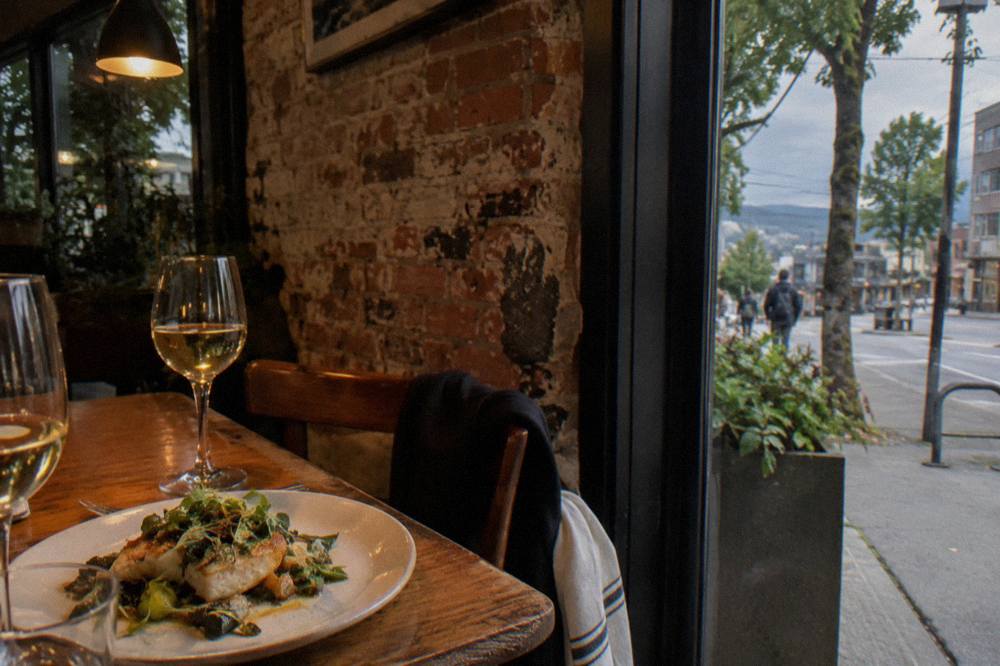
One caution for travellers building a trip around stars: Michelin recognition concentrates on sit-down dining, while much of Vancouver's food identity lives in markets, food trucks and small storefronts that the guide does not rate at all. A foodie visitor who only eats from the starred list will miss the dumpling shops and dockside fish sales that locals would name first if asked what makes the city worth eating through. That gap between critical recognition and everyday eating is exactly where guided food walks earn their keep, since a good guide bridges both worlds in three hours.
There is a guided option that reaches directly for the starred tier: the 3 Michelin Restaurants in 1 Night tour on Main Street, priced from $285.48 per person, food and drinks included, capped at eight guests. It is a new offering with a thin review pool so far, but the concept itself, three Michelin-recognized rooms in one evening, is the kind of product that only exists in cities where inspectors keep returning year after year.
Is a Gastown tasting walk better value for your first food-focused evening in the city?
How Markets And Neighbourhood Density Build The Case
Vancouver's food culture runs through public markets and dense neighbourhood restaurant strips rather than a single showcase district. Granville Island Public Market opens 9 AM to 6 PM daily, closing only December 25, December 26 and January 1, plus Mondays in January for maintenance. Chinatown, a National Historic Site of Canada since 2011, anchors another, and Mount Pleasant and Commercial Drive add their own layers.
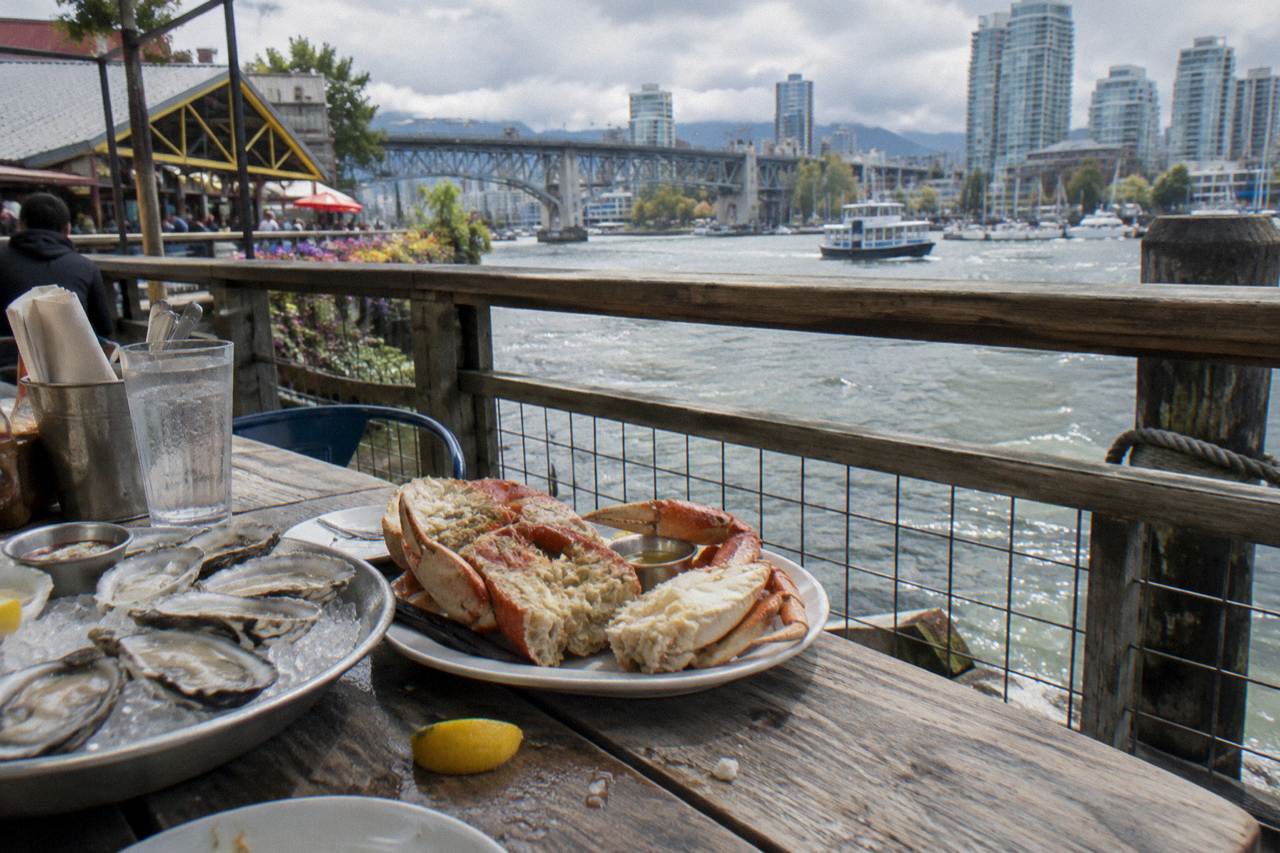
Markets are the honest test of a foodie town because locals, not tourists, keep them alive. Granville Island's Public Market is the clearest example: it operates daily, and the official Granville Island page confirms the 9 AM to 6 PM hours and the holiday closures. Shoppers buy fish, produce, bread and cheese there the way other cities' residents use a supermarket, and the surrounding island holds brewers, a distillery and small food producers. Getting there is part of the experience, with the Aquabus docking between the Public Market and the Arts Club Theatre and False Creek Ferries landing near the entrance to Bridges Restaurant.
Density matters as much as institutions. A foodie town lets you eat well without crossing the city. In Vancouver, Gastown's restaurant row sits within walking distance of the Chinatown National Historic Site, itself designated on July 19, 2011, while Mount Pleasant's Brewery Creek stretch along Main Street stacks breweries and small kitchens within blocks, and the North Shore's Shipyards district adds its own market tradition, with the Shipyards Night Market running free-entry Fridays through the warmer months. The point is not that any single district wins, it is that a visitor cannot walk fifteen minutes in most central neighbourhoods without crossing independent food businesses.
For visitors who want the market experience with a guide sorting the stalls, the Small-Group Market Walk, 2 Hours on Granville Island, rated 4.9 across 640 reviews and from $119.95 per person with food included, is the most reviewed market option. The Budget Granville Market Walk, from $85.14 per person, covers similar ground at a lower price with a smaller review pool so far. A full comparison of Gastown options sits in the Gastown walking food tour guide, and the wider field is laid out in the best food tours in Vancouver.
Why Seafood And Spot Prawns Anchor The Food Culture
Vancouver's seafood culture is tied to a working fleet, not just restaurant menus. Spot prawn season opens in mid-May, and during the season boats sell live prawns directly off the dock at False Creek Fishermen's Wharf daily from 1 PM onward. Steveston's Public Sales Float has sold fish straight from vessels since the practice began unofficially in the 1970s.
This is the part of the foodie argument that coastal cities can make and inland ones cannot. The Spot Prawn Festival, held at False Creek Fishermen's Wharf, celebrated its 20th annual edition, and its organizers promote buying live, locally sourced prawns direct off the dock. The festival's official site documents the dockside sales during the season. Across the water in Steveston, the harbour authority runs the Public Sales Float at Fisherman's Wharf, where the direct-to-public sale of fish and seafood from fishing vessels grew out of informal 1970s beginnings into an institution, and where the Steveston Spot Prawn and Seafood Celebration ran May 14 to June 14 in 2026.
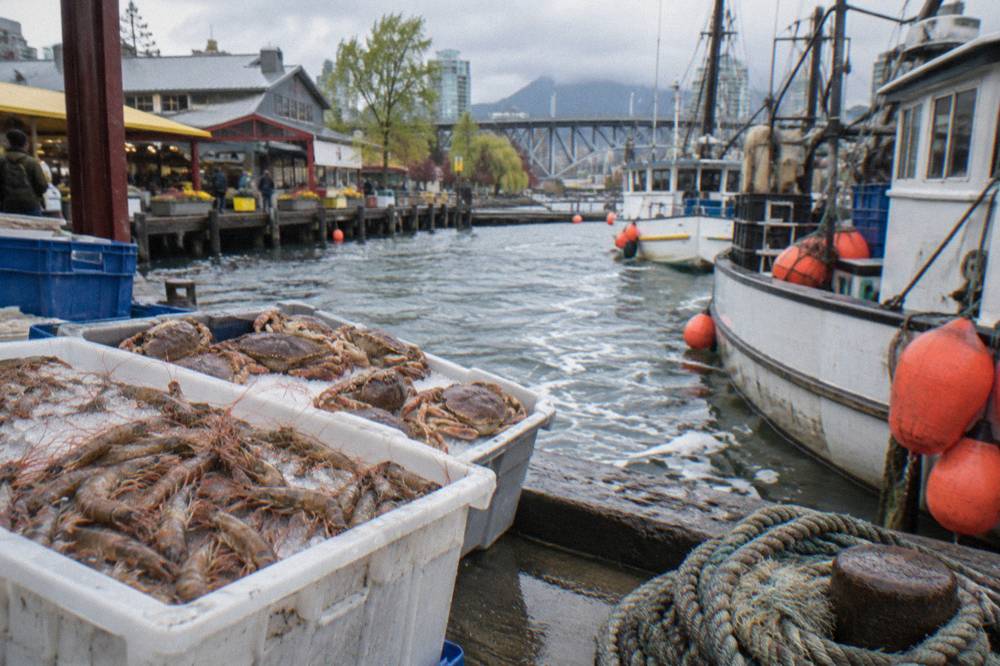
What this means for a visitor is that the supply chain is short and visible. The crab in a Chinatown tank and the prawn in a Steveston roll often came off a boat the same week, and the city's best seafood cooking is built on that freshness rather than on elaborate technique. The seasonal rhythm also matters: a May visitor and a November visitor eat different cities. Late spring brings spot prawns and halibut, summer adds salmon runs, and autumn shifts toward shellfish.
Restaurant closures tell their own story about the scene's churn. Bayside Lounge closed at the end of October 2026 after 47 years, and Hook on Denman Street closed the same month after a decade, while new rooms keep opening, including Haisan on Commercial Drive with a 16-course tasting menu in October 2026. A food scene that only closed would be dying; one that turns over this quickly, with tasting-menu openings replacing legacy rooms, is alive. Visitors planning around a specific longstanding restaurant should confirm it is still operating before building an itinerary.
Guided seafood eating exists too, though the strongest tour options on the tasting side lean Asian and market-based rather than dock-focused. The Vancouver seafood tour guide covers the field, and the Steveston village guide explains how to structure a self-guided dockside day around the fish sales.
How Deep Does The Asian Food Scene Go
Very deep, and it is the single strongest pillar of the foodie case. Vancouver's Chinatown is a National Historic Site of Canada, dim sum culture runs from heritage dining rooms to hands-on cooking classes, and the broader Asian restaurant base spans Japanese, Chinese, Korean, Vietnamese and Filipino cooking across the city rather than in one enclave. Asian-focused tours are among the most reviewed in the city, led by the chef-led Chinatown walk at 686 reviews.
Start with the numbers that exist. The Chef-Led Chinatown Walk, 4 Hours, rated 4.9 across 686 reviews and from $118.92 per person with food and drinks included, is among the most reviewed guided food experiences in Vancouver, and it spends four hours on the interplay between Chinatown's history and its food. The 3-Hour Asian Eats Adventure, from $152.15 per person and rated 4.9 across 44 reviews, ranges across downtown Alberni Street and Asian restaurants beyond any single neighbourhood. The review counts matter here: hundreds of guests paying to walk and eat through Asian Vancouver is itself evidence of what the city is known for.
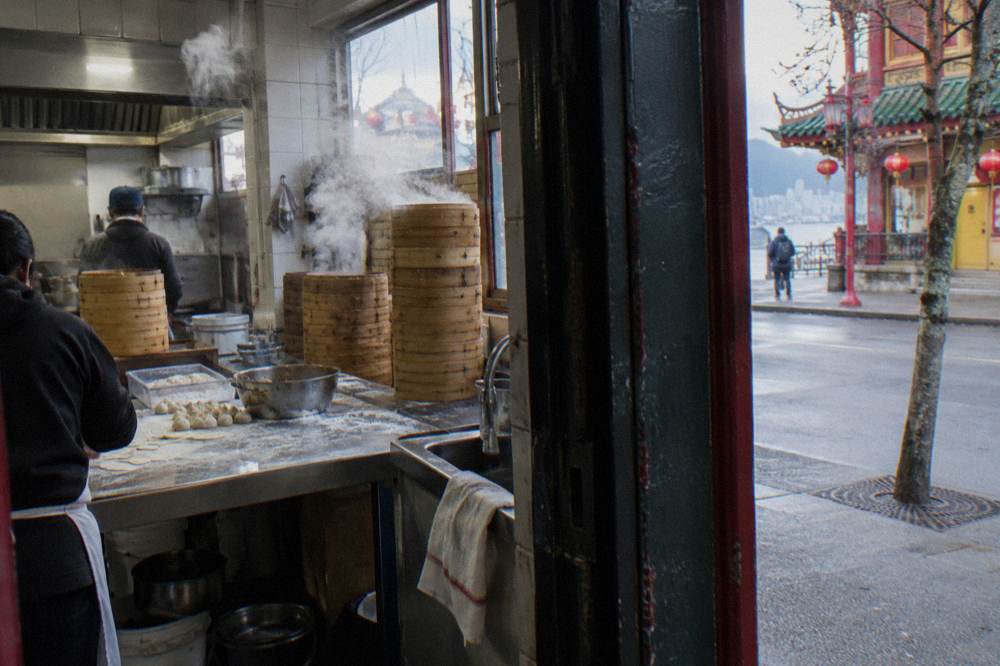
Dim sum deserves its own paragraph because it is where eating becomes participation. The best dim sum in Vancouver guide covers the dining-room side, and the hands-on side is growing fast: a dumpling-making masterclass in Chinatown runs from $107.32 per person with a meal included, a Chinatown walk combined with a dumpling class runs from $135.00 per person, and a 90-minute dim sum class with Chef Renée at Skript Kitchen covers xiao long bao and potstickers on Saturday schedules. None of these carry enough reviews yet for a rating claim, but their existence and pricing are on the booking pages, and their proliferation tracks the same trend the Michelin Bib Gourmand list reflects, which is Chinese and Chinese-influenced cooking earning recognition across price tiers.
One honest gap in the Asian food story: the Richmond Night Market, long a fixture of the regional food scene, ran its final season from April 24 to September 20, 2026 at its site on No. 3 Road, and closed permanently there after the lease ended, with general admission having been $7 in its last season. The City of Richmond has said it hopes the market continues at a new location, but nothing is confirmed. Visitors should not plan around a 2027 edition until an operator announces one. Richmond itself remains a serious food destination, as the Richmond food guide explains, reachable from downtown Vancouver by Canada Line in roughly 20 to 25 minutes.
For travellers who want the Asian food argument made edible on a first visit, the chef-led walk below is the deepest single option, combining the neighbourhood's National Historic Site status with four hours of eating.
What Eating Well Here Actually Costs
Vancouver is not a cheap food city, but the tax structure helps at the table: restaurant meals are exempt from BC's provincial sales tax and carry only 5% GST, while liquor adds 10% PST on top. Guided food tours run from $45.79 to $285.48 per person, and the widest selection sits between $85.14 and $150.
The tax detail is small but real. The BC government's own publication on food and beverage service confirms that sales of food for human consumption, including meals, are exempt from PST, while liquor served in restaurants carries the 10% provincial tax plus GST. What that means at the table is that a food-heavy bill is taxed lighter than a drink-heavy one, and the official BC page walks through the worked example. Tipping is separate and customary, and whether a tour's gratuity is included varies by operator, so check the booking page for that detail rather than assuming either way.
The table below sets out what the guided side of eating costs, using the tour options most relevant to a foodie-curious first visit. Prices are the from figures shown on each booking page and can move with demand.
| Experience | Area | Length | From price | Rating |
|---|---|---|---|---|
| Sweets Walk, VIP Access | Downtown (Robson) | ~2 hours | $54.16 per person | 5.0 across 140 reviews |
| Donut and Pastry Walk | Downtown and Gastown | ~2 hours | $75.00 per person | 4.9 across 114 reviews |
| Budget Walking Brewery Tour | Mount Pleasant | ~3 hours | $68.39 per person | 5.0 across 51 reviews |
| Elite Gastown Walk | Gastown | ~2.5 to 3 hours | $105.38 per person | 4.9 across 378 reviews |
| 6 Local Tastings, 3 Hours | Gastown | ~3 hours | $114.89 per person | 4.8 across 489 reviews |
| Historic Gastown, 3 Hours | Gastown | ~3 hours | $121.41 per person | 4.8 across 2,207 reviews |
| Premium Gastronomic Gastown Walk | Gastown | ~3 hours | $225.40 per person | 4.9 across 245 reviews |
| 3 Michelin Restaurants in 1 Night | Main Street | ~3 hours | $285.48 per person | 5.0, 1 reviews |
A rough planning frame: the under-$80 tier buys focused two-hour walks, sweets routes and budget brewery routes; the $85.14 to $150 band is where most three-hour neighbourhood food tours live, tastings included; above $200 you are paying for premium multi-course formats or the Michelin-linked evening. Beyond tours, 90% of BC restaurants raised menu prices in the twelve months to September 2026 according to industry reporting, so printed menus move, and from prices on booking pages move with them. Free-cancellation terms appear on most of the Gastown and Granville Island options listed here; confirm the terms on the specific booking page before relying on them, since policies are set per operator.
Where A Guided Tasting Fits In A Foodie Visit
A guided food tour works best on day one or two of a visit, because it doubles as an orientation: three hours in Gastown, Chinatown or Granville Island maps the neighbourhoods, names the dishes worth returning for, and gives you a guide's current recommendations for the rest of the trip. The Historic Gastown, 3 Hours walk, from $121.41 per person and rated 4.8 across 2,207 reviews, is the most reviewed place to start.
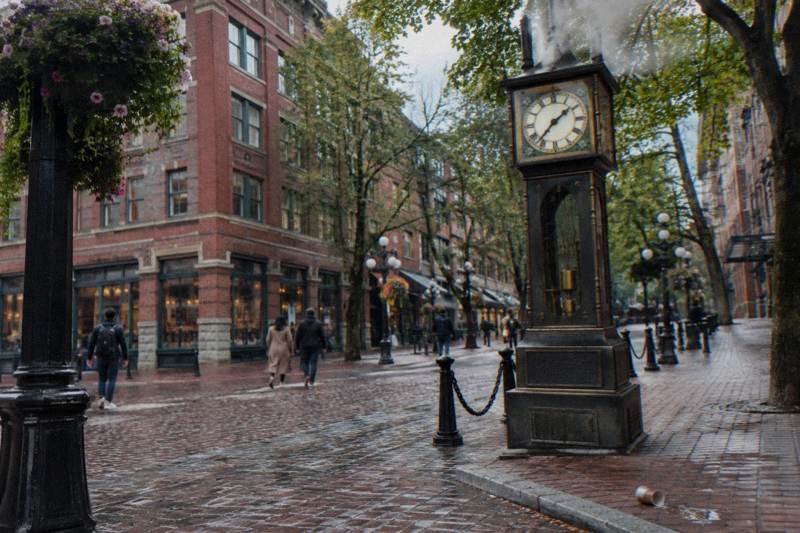
The reasoning is practical. Every foodie visitor faces the same first-48-hours problem: an unfamiliar city, dozens of credible options, and limited meals. A tasting walk compresses the research phase. Gastown is the classic starting point because the district packs heritage architecture, the 1977 Steam Clock at Cambie and Water Streets, which chimes every 15 minutes with a longer version on the hour, and a dense row of independent kitchens into a walkable few blocks. The Gastown options below give the price and depth spread at a glance, and Food Tours Vancouver covers the full field, from Chinatown walks to Fraser Valley wine days, if your appetite runs past the downtown core.
Format should match the traveller. Solo visitors and couples fit well on small-group walks, where the 6 Local Tastings, 3 Hours tour at from $114.89 per person offers six tastings over about 3 hours. Value-focused visitors can start with the Elite Gastown Walk at from $105.38 per person, rated 4.9 across 378 reviews, drinks included. Splurgers have a real ladder here, from the Premium Gastronomic Gastown Walk at from $225.40 per person up to the Michelin-evening format. Families have options too, and the family food tours guide sorts which walks suit kids.
One last scheduling note that connects back to the market section: pair any Gastown or Chinatown walk with a Granville Island morning, since the market opens at 9 AM and most Gastown walks run afternoon or evening departures, the two slot into one ambitious day. Whatever you choose, book the walk for early in the trip, not the last night, so the guide's recommendations still have meals left to fill.
Common Questions About Vancouver As A Foodie Town
Is Vancouver A Foodie Town?
Yes. The 2026 MICHELIN Guide Vancouver lists 11 starred restaurants including the city's first two-star room, Asian food traditions run deep from a National Historic Site Chinatown outward, and a working fishing fleet sells directly to the public. Markets, brewery density and year-round neighborhood dining round out the case.
Does Vancouver Have Michelin-Starred Restaurants?
Yes. The 2026 selection, revealed October 6, 2026, spotlighted 11 starred restaurants, with AnnaLena promoted to two stars, a first for the city, and Kavita newly named a Bib Gourmand.
What Food Is Vancouver Known For?
Spot prawns and fresh Pacific seafood sold directly off boats, dim sum and regional Chinese cooking, Japanese food from sushi to izakaya, and market culture centred on Granville Island's Public Market, open 9 AM to 6 PM daily.
How Much Does A Food Tour In Vancouver Cost?
Guided food tours range from $54.16 per person for a two-hour sweets walk to $285.48 per person for a three-Michelin-restaurant evening, with most three-hour neighbourhood walks between $85.14 and $150, tastings included. The full breakdown is in the cost guide on this site.
Is Granville Island Public Market Worth Visiting?
Yes, it is the city's daily food hub, open 9 AM to 6 PM and closed only December 25, December 26, January 1 and Mondays in January. Arrive before noon for the full stall selection, and consider a guided market walk if you want the stalls interpreted.
When Is Spot Prawn Season In Vancouver?
The season opens in mid-May and runs through early summer, with boats selling live prawns directly off the dock at False Creek Fishermen's Wharf daily from 1 PM onward during the season, and dockside sales continuing at Steveston's Public Sales Float.